How to prepare your site before excavation work starts
Good excavation work starts before machinery arrives on site. A clear plan helps reduce delays, avoid access issues and make sure the right equipment is used for the job. Whether you are preparing land for a build, landscaping work, trenching or general earthworks, a few practical checks can make the process smoother.
This guide explains what to organise before excavation work starts, what details are useful when requesting a quote and how to think about site access, soil, debris and project timing. It is written for property owners, builders and project teams planning earthmoving work across Victory Heights and selected Queensland service areas.
1. Know what excavation outcome you need
Before booking machinery, it helps to be clear about the result you are trying to achieve. Some projects need broad general earthworks , while others need more specific excavation for trenches, footings, clearing, levelling or soil removal. The clearer the scope, the easier it is to choose the right approach.
Start by asking what the site needs to look like when the excavation work is complete. Do you need an area levelled for landscaping, ground opened up for construction, a trench prepared for services, or soil moved from a work area? These details help shape the equipment, timing and method used.
It is also worth thinking about what comes next. Excavation often supports another trade or project stage, so the finished levels, access and timing may matter. If builders, plumbers, landscapers or other contractors are involved, share any relevant measurements, plans or requirements early.
2. Check site access before machinery is booked
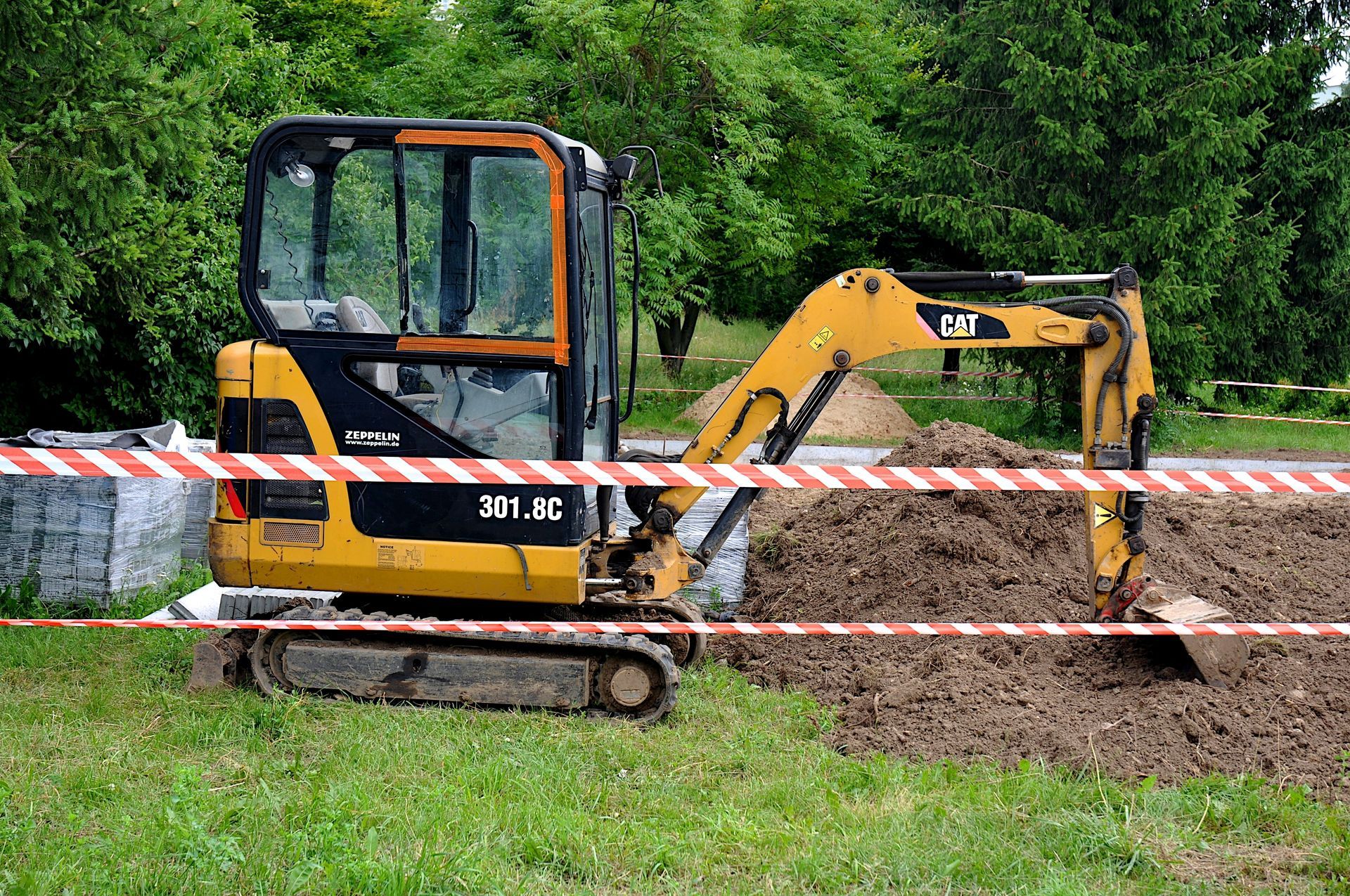
Access can change the way an excavation job is planned. Open sites may allow easier movement of machinery, while narrow driveways, side access, slopes, gates, fences or overhead restrictions may require a different approach. If the work area is restricted, tight-access excavation may be more suitable.
Measure access points if possible, especially the narrowest entry into the work area. Photos can also help show the site layout, available turning room and any nearby structures. This information is useful when assessing what machinery can safely and practically reach the area.
If access is limited, it does not always mean the job cannot be done. It usually means the work needs more careful planning. Clear information upfront helps avoid wasted time and makes it easier to recommend a practical excavation option.
3. Identify soil, debris and material movement needs
Excavation often creates spoil, loose soil or debris that needs to be moved, stockpiled or cleared from the work area. Planning this early helps keep the site safer and more workable. It also helps determine whether soil and debris removal should be included as part of the job.
Think about where material can be placed during the project. On some sites, soil can be moved to another area for later use. On others, it may need to be cleared from the immediate work zone so builders, landscapers or other trades can continue safely.
Material type can also matter. Loose soil, clay, vegetation, rubble and mixed site debris may all require different handling. You do not need to have every answer before enquiring, but a simple description of the material and approximate amount can help with planning.
4. Prepare useful information before requesting a quote
A good excavation enquiry gives enough detail for the contractor to understand the job. Useful information includes the property location, the type of work required, access conditions, approximate area or depth, and whether material needs to be moved or cleared.
Photos, plans and measurements are helpful where available. Even basic information can make the quote process more accurate. For example, a trenching job is easier to assess when approximate length, width and depth are known, while a clearing job is easier to assess when the size and condition of the area are described.
If you are unsure what service you need, that is fine. You can still contact our team with your project details and ask for guidance on whether site excavation, land clearing, trenching or general earthworks is the best fit.
5. Consider timing and other trades
Excavation is often one part of a larger project. If other trades are booked, timing needs to be considered carefully. Excavation may need to happen before formwork, drainage, landscaping, building preparation or service installation can continue.
Before work begins, confirm whether the site needs to be ready by a certain date. If there are deadlines, approvals or trade schedules involved, mention them early. This helps the excavation work fit into the broader project plan.
It is also practical to think about weather and ground conditions. Wet or unstable ground can affect some earthmoving jobs, so flexibility may be needed depending on the site and scope.
Get your project underway today by contacting our team
Preparing for excavation does not need to be complicated. The main things to check are the project outcome, access, site conditions, material movement and timing. Clear information helps the job run more smoothly and gives the excavation team a better understanding of what is needed.
To explore the types of work available, learn more about our site excavation services. If you are ready to discuss a project, get in touch with our team and share your site location, access details and the excavation work required.