Land clearing vs site excavation: What’s the difference?
Land clearing and site excavation are closely related, but they are not the same job. Many projects need both at different stages, while others only need one. Understanding the difference can help you explain your project more clearly, request the right service and avoid confusion before machinery arrives on site.
This guide explains what land clearing usually involves, how site excavation differs, and when each service may be needed. It is written for property owners, builders and project teams planning earthmoving work across Victory Heights and selected Queensland service areas.
1. What is land clearing?
Land clearing and levelling focuses on preparing a site by clearing unwanted surface material and improving the usability of the ground. This may involve clearing vegetation, loose debris, uneven surface material or areas that need to be opened up before building, landscaping or further earthworks can begin.
Clearing work is often about making the site easier and safer to access. It can also help define where future work will take place. On some projects, clearing is the first step before more detailed excavation or trenching begins.
Levelling may be included where the ground needs to be shaped or made more workable. The aim is not always to create a finished construction surface, but to prepare the area so the next stage of the project can be approached more efficiently.
2. What is site excavation?
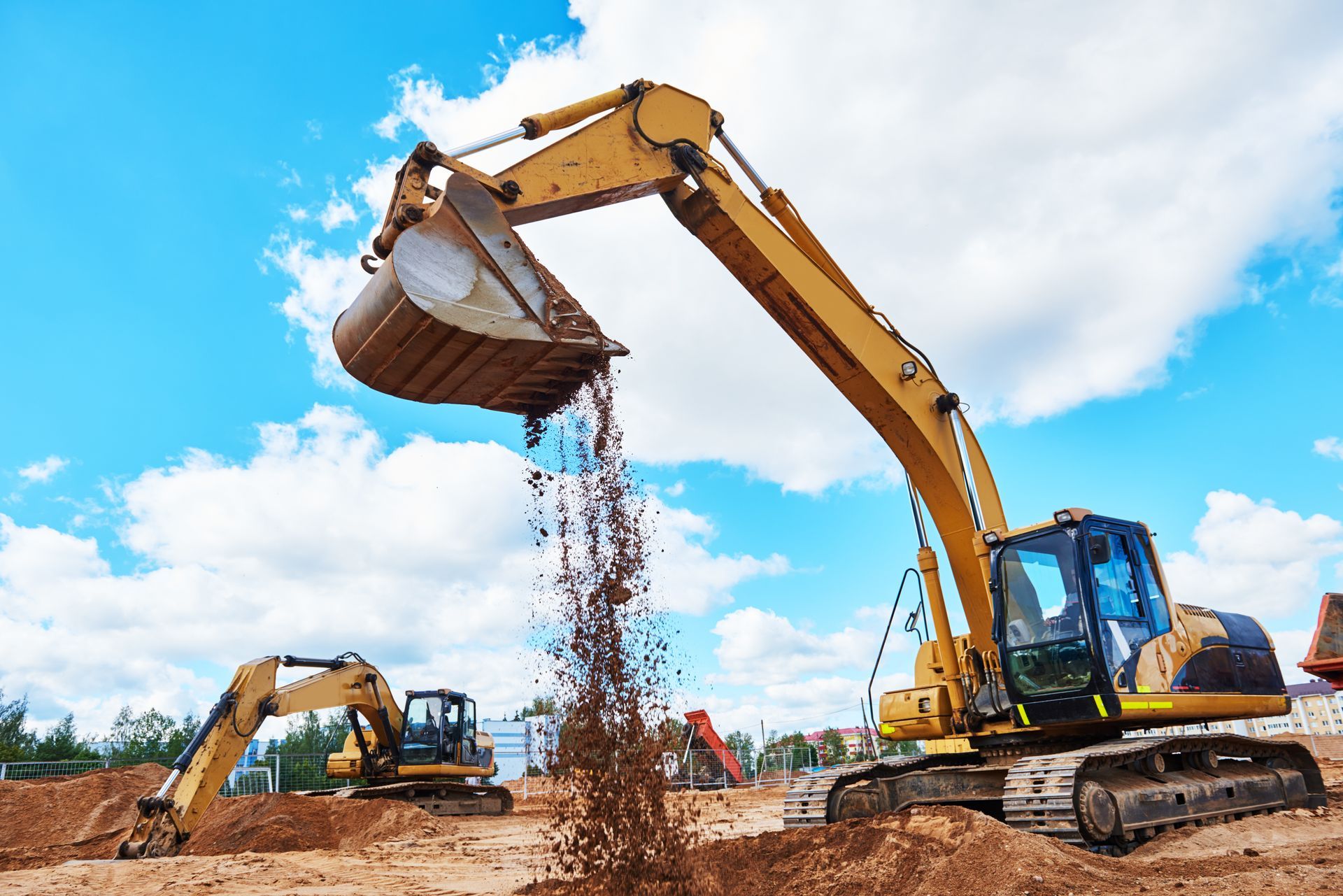
Site excavation is more focused on digging, cutting, shaping or removing ground to achieve a specific project outcome. This might include preparing an area for construction, opening up ground for foundations, reshaping levels or excavating areas for access, drainage or other site requirements.
Excavation generally involves more targeted ground movement than clearing. While clearing deals with what is on or near the surface, excavation often changes the ground profile itself. It may require attention to levels, depth, soil movement and how the excavated area will be used once complete.
For example, a site may be cleared first so machinery can access the area, then excavated to prepare for construction or landscaping. In other cases, a small excavation job may not need much clearing at all if the site is already open and accessible.
3. When do you need clearing before excavation?
Clearing is usually needed before excavation when the work area is obstructed, uneven or difficult to access. If vegetation, loose material or debris prevents machinery from reaching the site safely, clearing may need to happen first.
It can also be useful when the project area needs to be defined before deeper work begins. Clearing a work zone can make it easier to understand levels, access, soil conditions and the space available for machinery. This planning step is especially helpful on sites where multiple earthmoving tasks are required.
Some projects may also need soil and debris removal as part of clearing or excavation. If material needs to be moved from the work area, it is best to consider this before the job starts so the site stays manageable.
4. When is excavation the main service?
Excavation is usually the main service when the site already has workable access but the ground itself needs to be moved, shaped or opened up. This may include preparing areas for building, cutting into soil, digging trenches, creating levels or completing earthmoving around a defined project outcome.
Some customers ask for clearing when they actually need excavation. For example, if the job involves digging down, preparing trenches or changing ground levels, excavation is likely to be part of the work. If the job mainly involves opening up the surface or removing light obstructions, clearing may be enough.
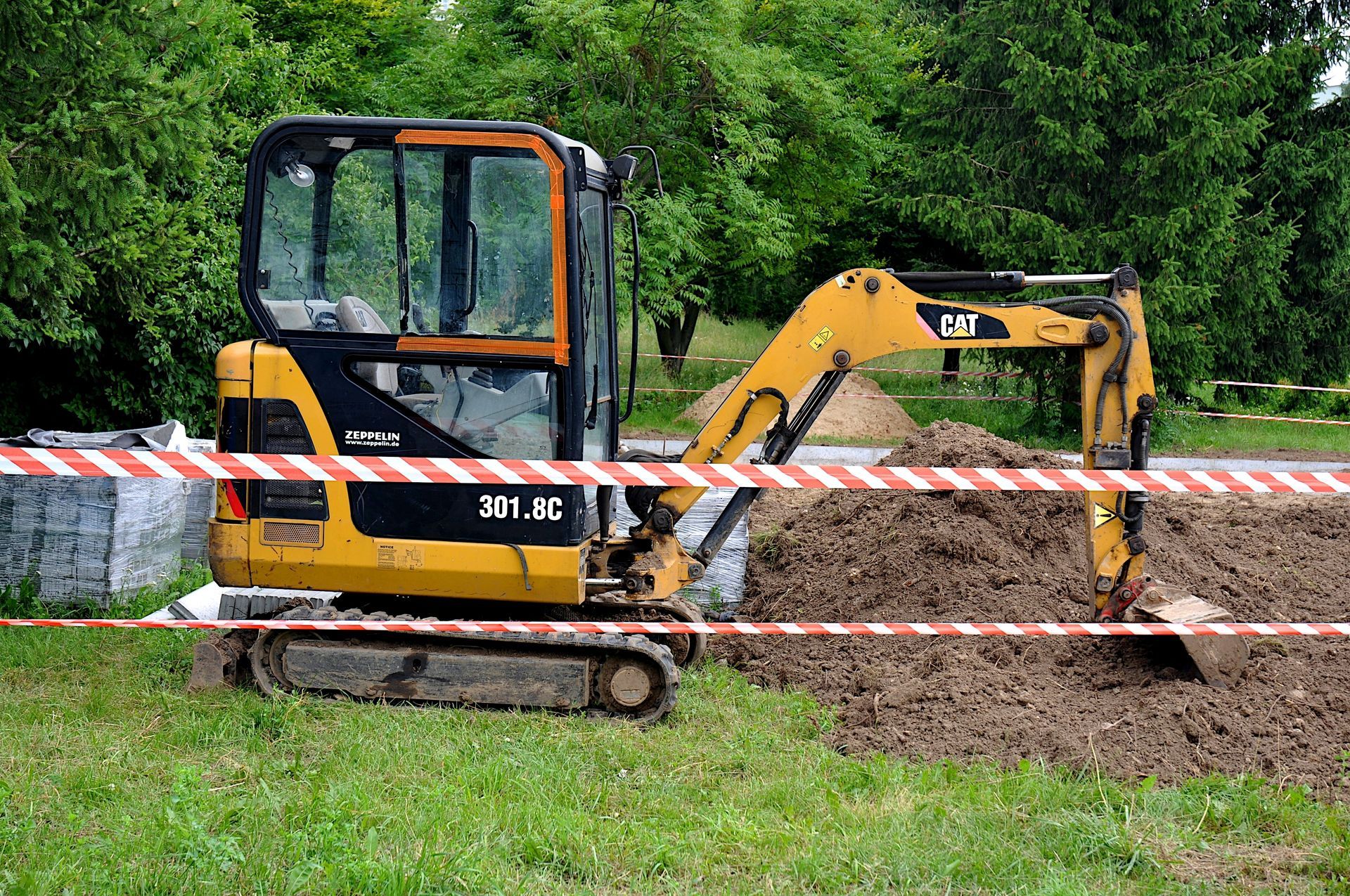
If the work area is restricted, excavation may also need a more specific approach. In those cases, tight-access excavation may be relevant, especially for backyard work, narrow side access or sites close to existing structures.
5. How to explain your project when requesting a quote
You do not need to know the exact technical service name before contacting an earthmoving team. It is often more useful to describe what you want the site to look like when the work is finished. Explain whether the area needs to be cleared, levelled, dug out, opened up, reshaped or prepared for another trade.
Useful details include the project location, access conditions, approximate work area, photos, known measurements and whether soil or debris needs to be moved. If the project is linked to building, landscaping, drainage or other works, mention that too.
If you are unsure whether land clearing, site excavation or general earthworks is the best fit, you can contact our team with the project details. We can help identify which type of earthmoving support is most suitable for the site and outcome.
Speak to our team about your excavation needs
Land clearing and site excavation often work together, but they solve different problems. Clearing makes a site more accessible and workable, while excavation changes the ground to achieve a specific project outcome. Some jobs need both, and others only need one.
For clearing, levelling and site preparation, explore our land clearing and levelling services. For more targeted ground movement, learn about our site excavation services. To discuss the right option for your project, get in touch with our team and share your site details.